
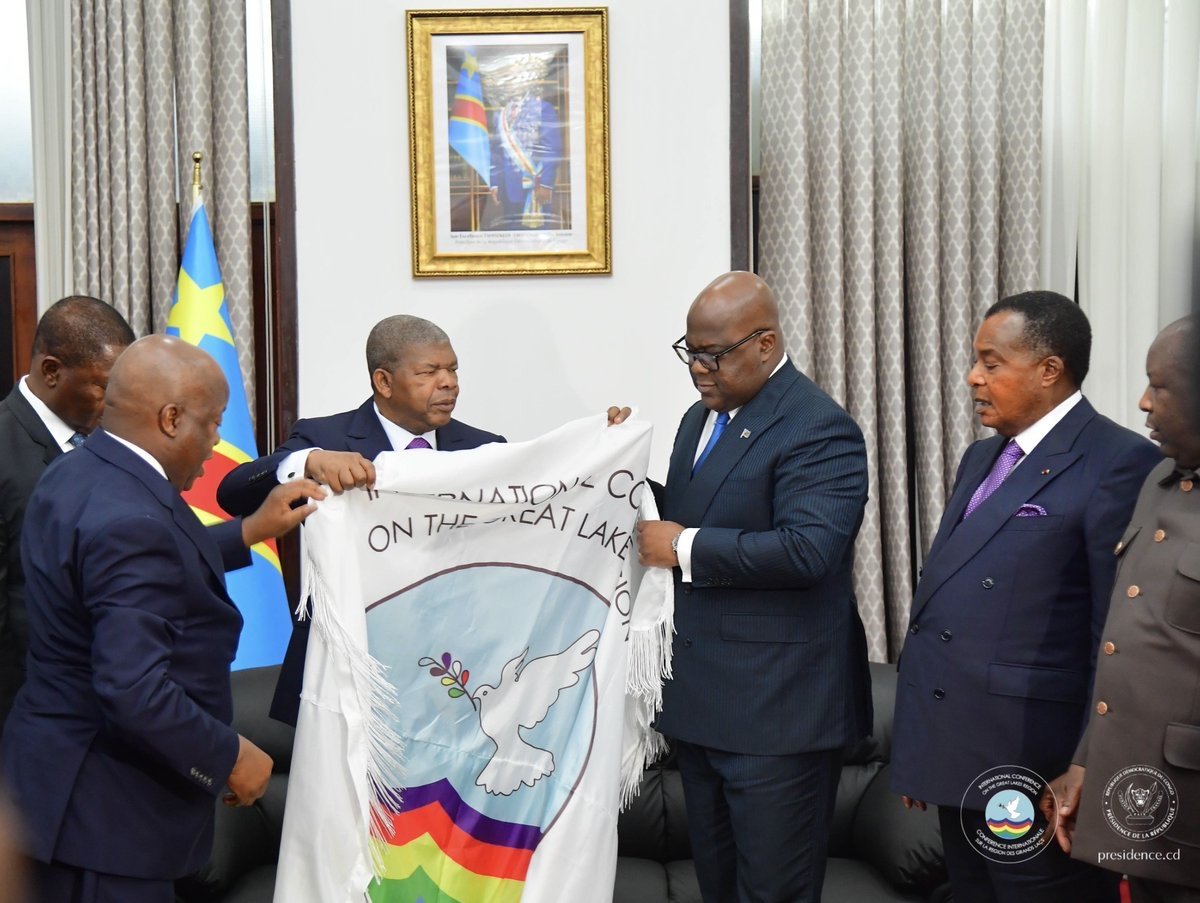
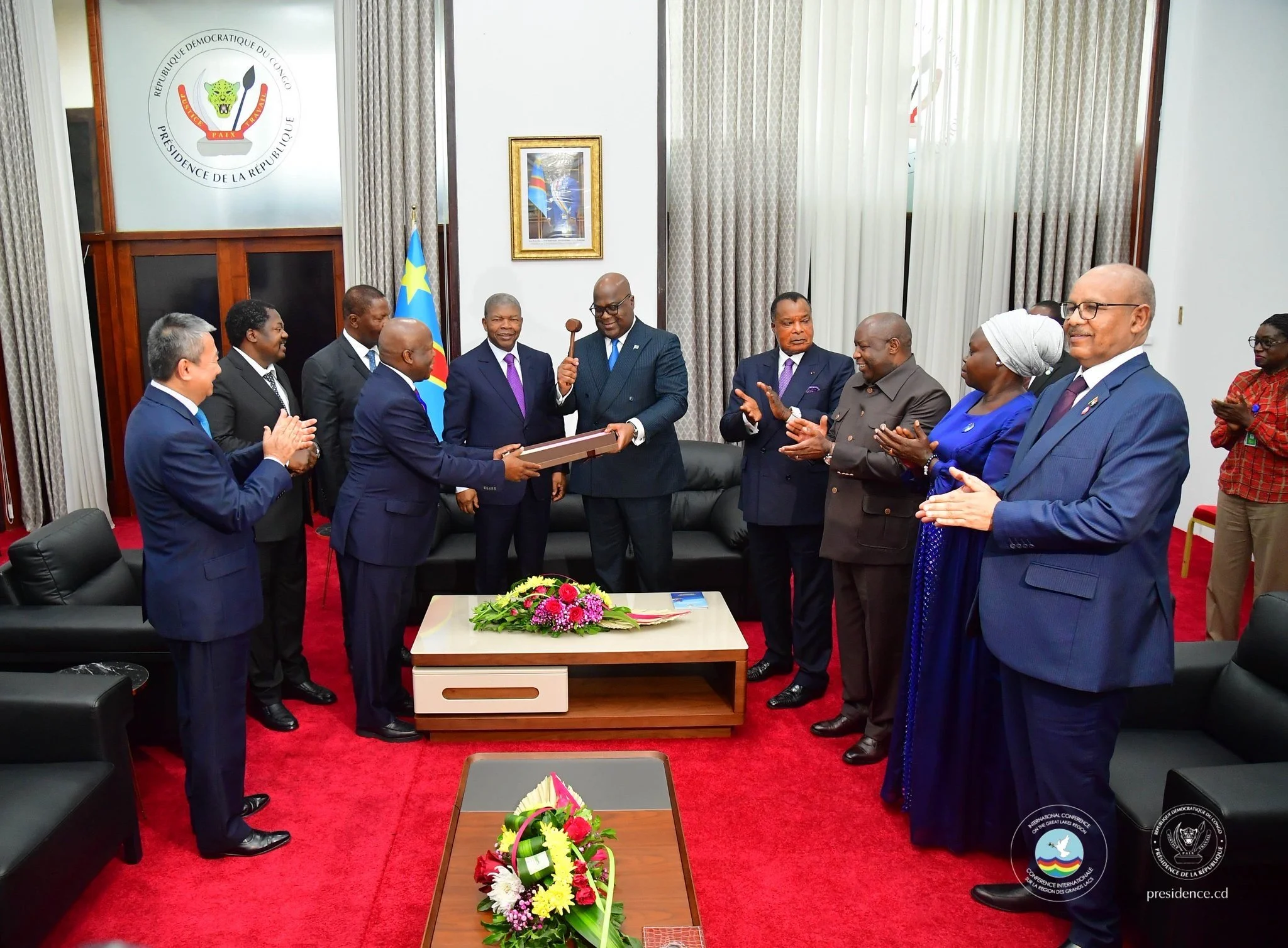
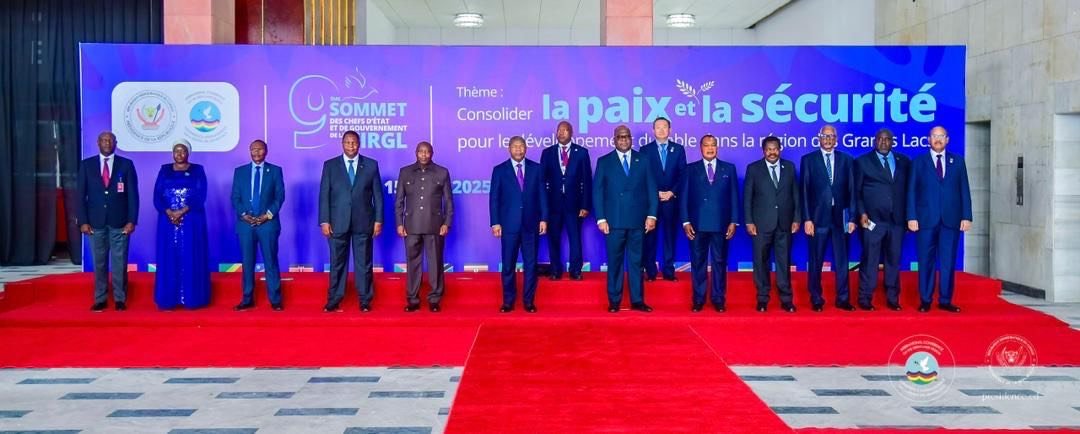
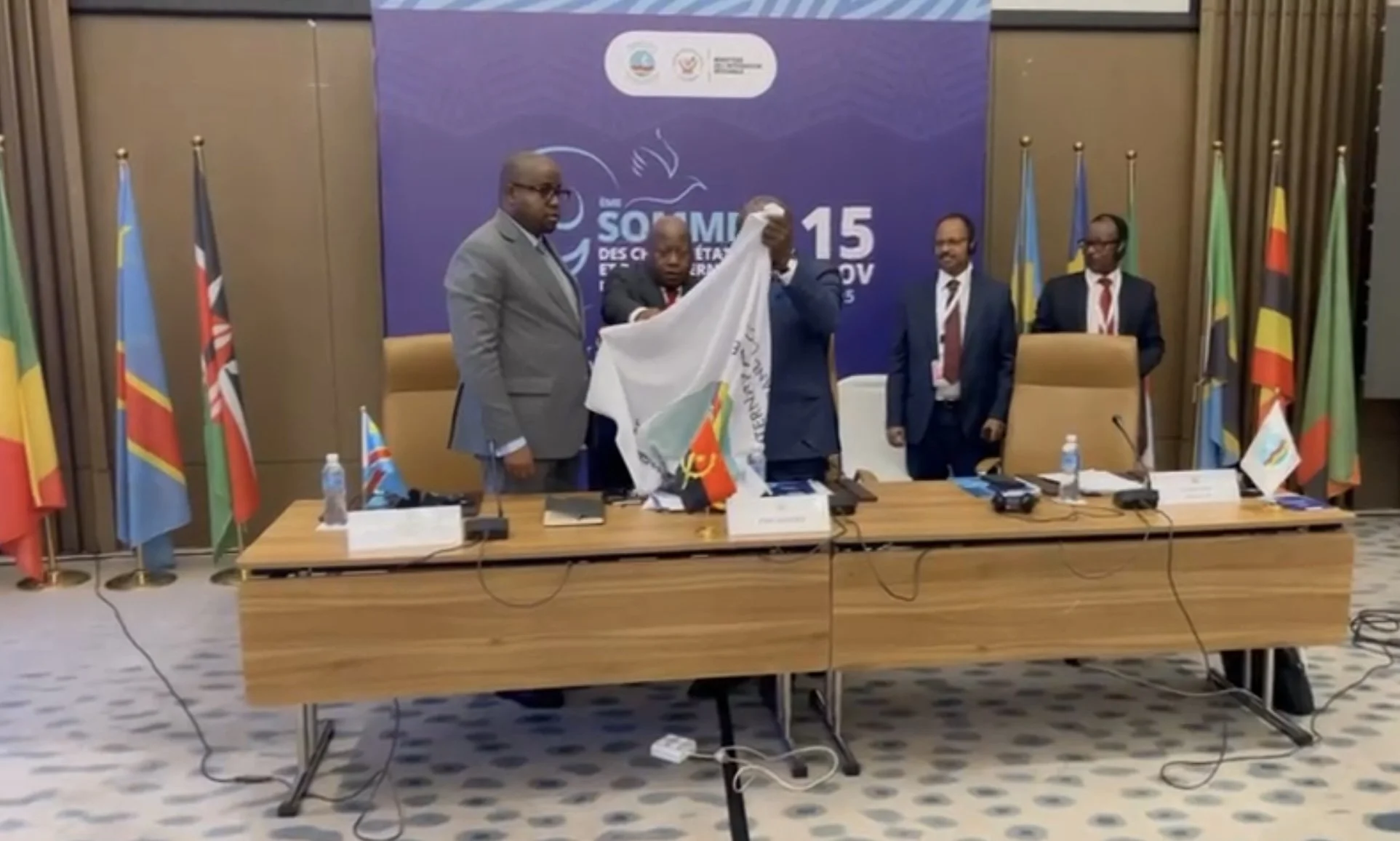
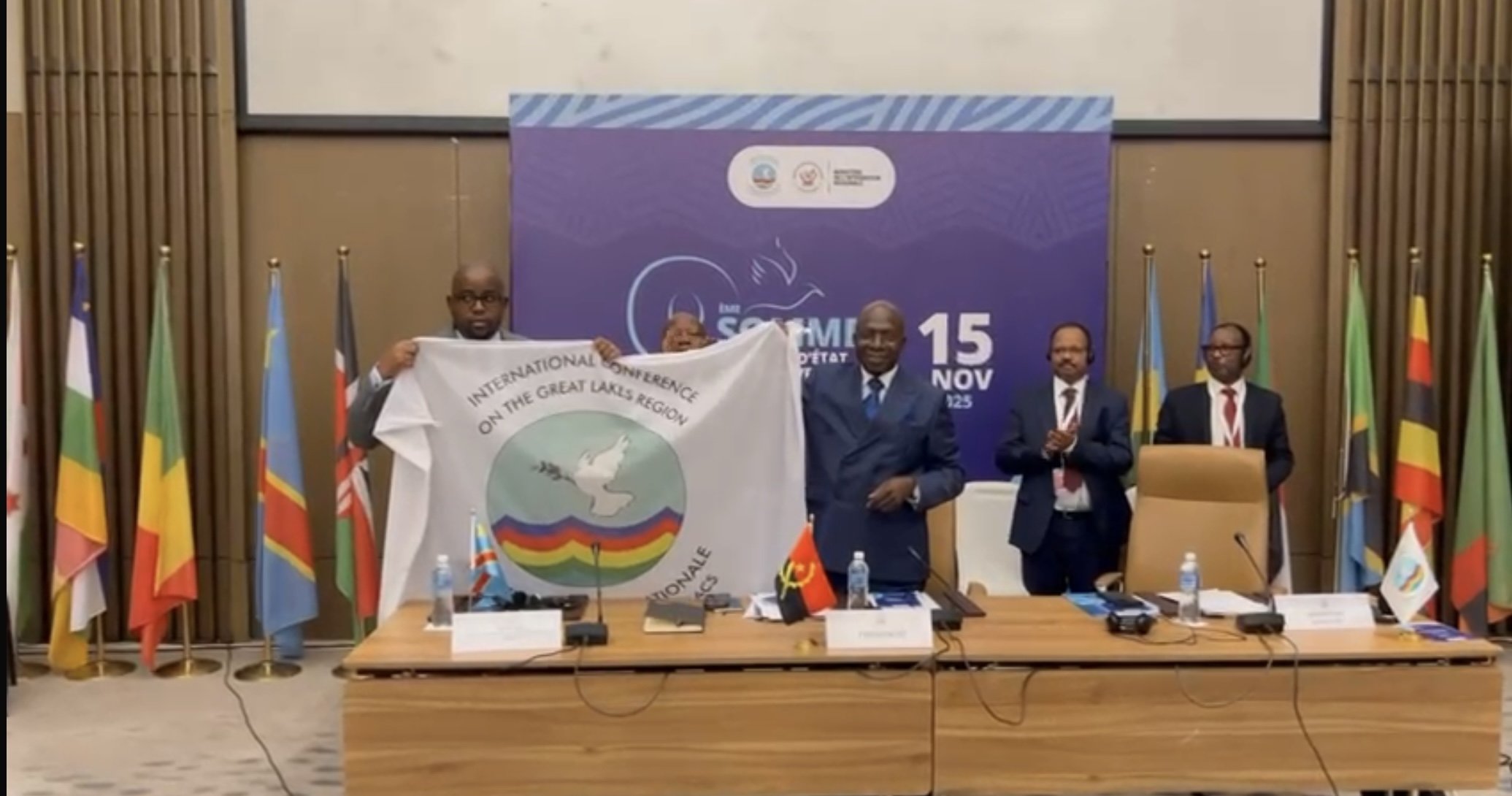
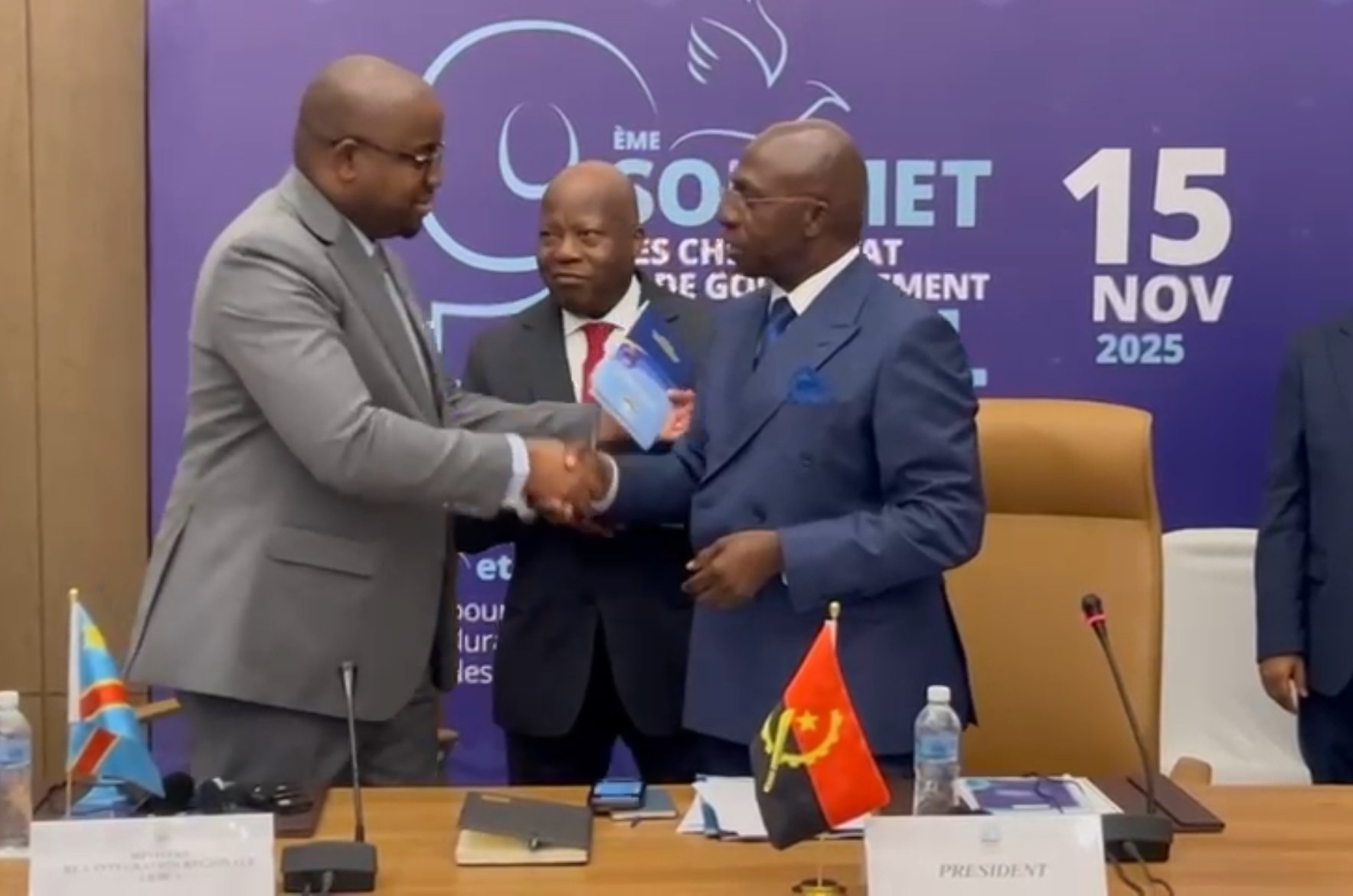
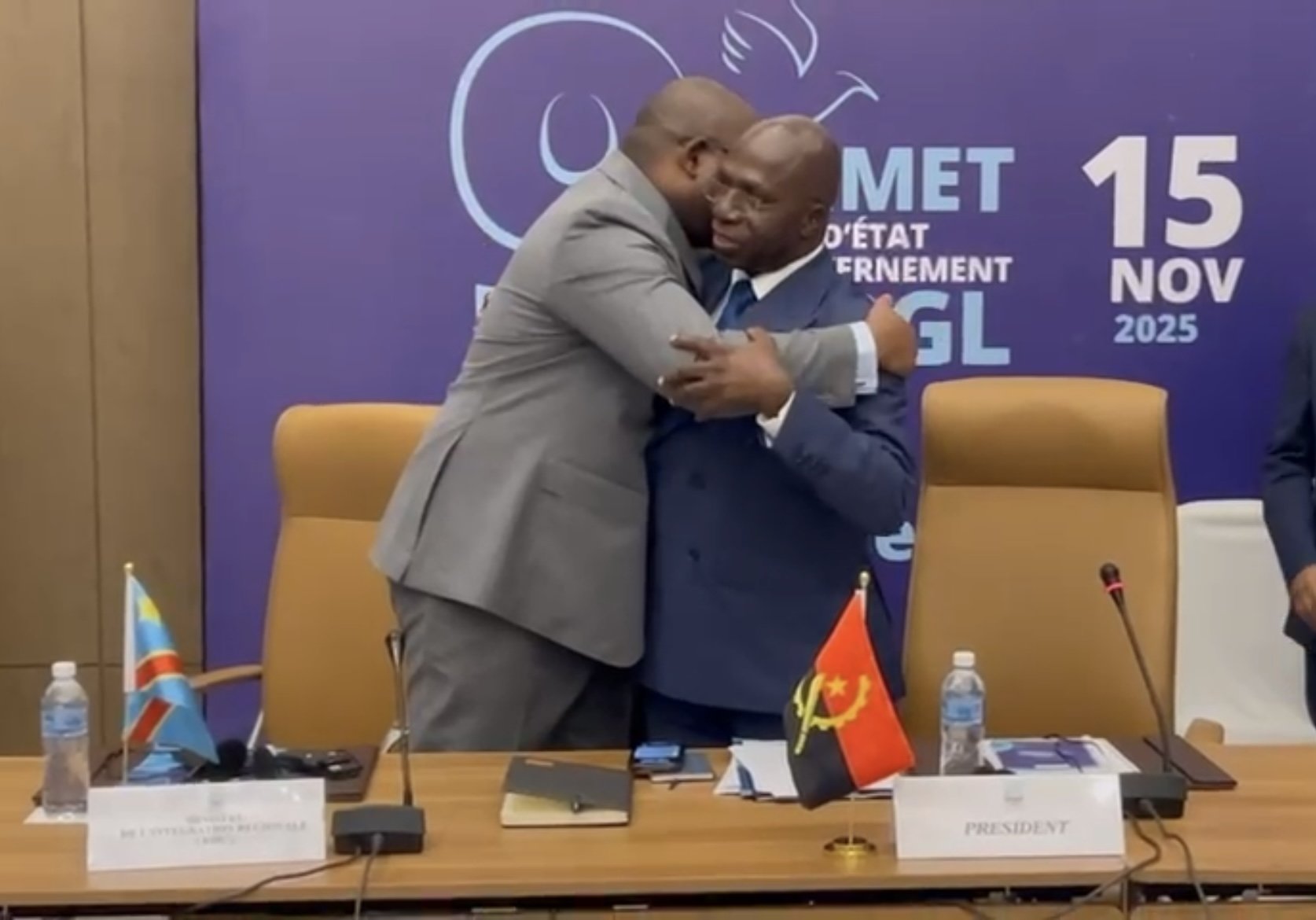
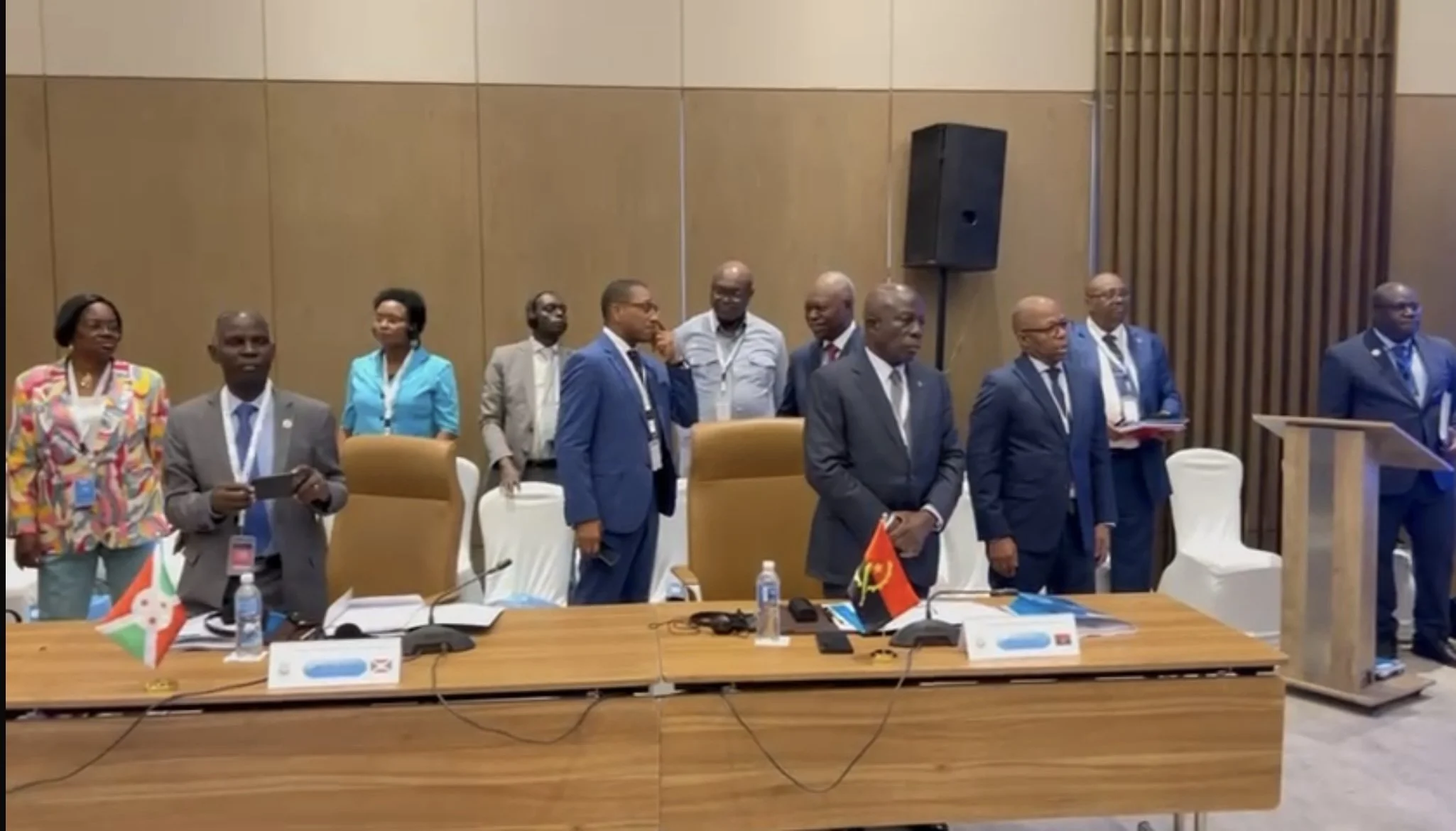
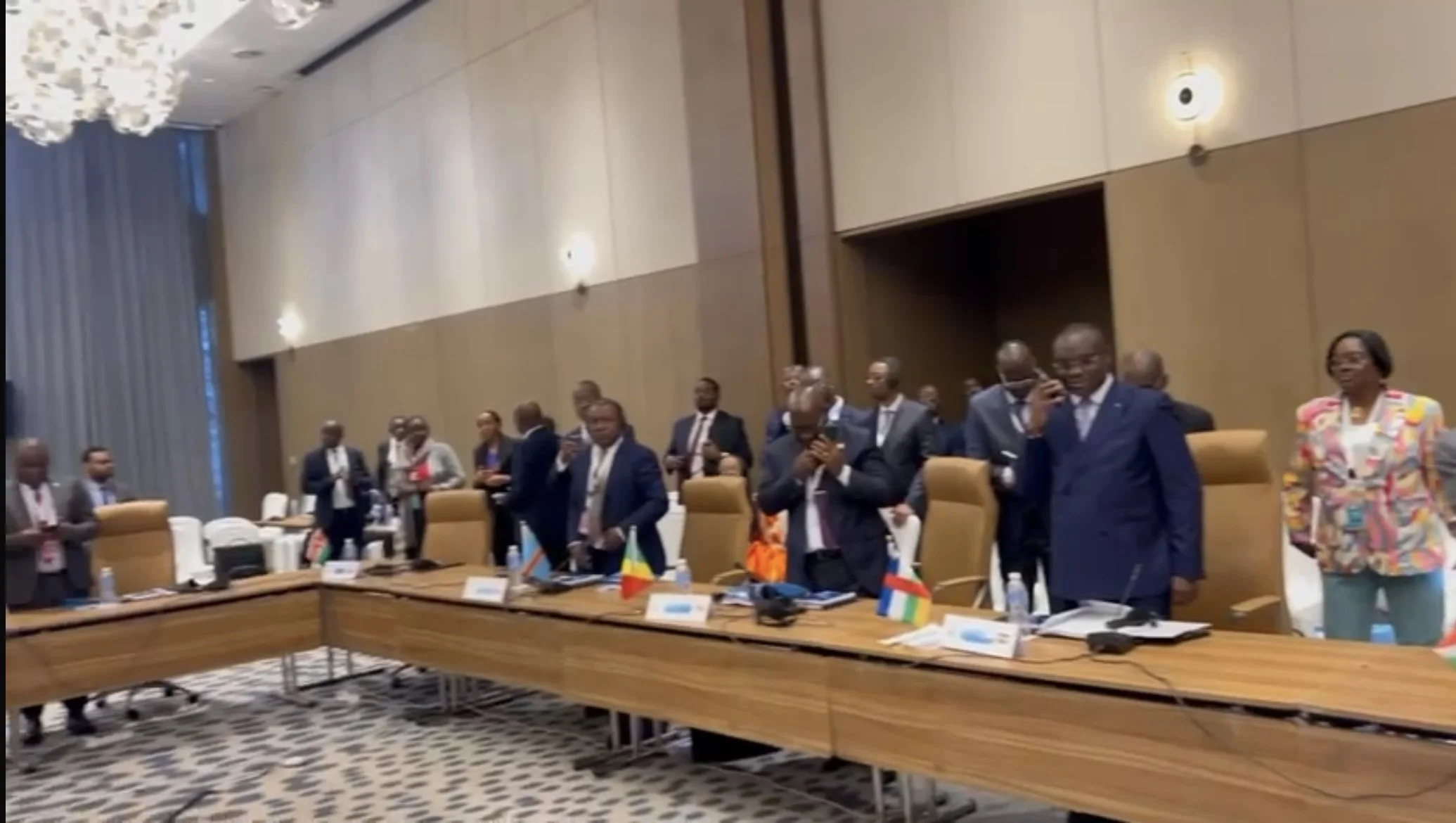
Angola Transitions its Leadership of ICGLR: Handing Over Ceremony to Democratic Republic of Congo

Leveraging Higher Education for Reconciliation, Peace, and Human Development in ICGLR Member States
ICGLR MEMBER STATE: Angola -HBCU Academic Diplomacy Program
Higher education serves as a powerful tool for promoting reconciliation, peace, and human development within the International Conference on the Great Lakes Region (ICGLR) member states. It achieves this by fostering critical thinking, tolerance, and social cohesion among its populace. Furthermore, academic institutions can drive economic growth by encouraging entrepreneurship, innovation, and skills development. The strategic use of academic, cultural, and economic diplomacy is crucial in this endeavor, enabling member states to enhance economic growth, reduce poverty, and improve human development outcomes.
The Angola HBCU Academic Diplomacy Program aligns with the outlined strategies, fostering partnerships between Angolan higher education institutions and Historically Black Colleges and Universities (HBCUs) in the United States. The Angola HBCU program is to facilitate academic collaboration, student and faculty exchanges, and joint research. This would directly address the need for quality higher education, promote critical thinking and social cohesion, and contribute to economic development through skills transfer and innovation, thereby supporting reconciliation, peace, and human development in Angola and the broader ICGLR region. Angola as a member state of ICGLR and SADC, Angola offering the Angola HBCU to the ICGLR member states would embody the principles of academic, cultural, and economic diplomacy, helping to overcome the challenges of brain drain and limited economic opportunities by building local capacity and fostering international cooperation. Hence, higher education is an indispensable instrument for achieving reconciliation, peace, and human development in ICGLR member states. The African Great Lakes Region can significantly advance its human development outcomes and foster lasting stability by addressing challenges through strategic opportunities and a clear implementation roadmap and by integrating the Angola HBCU Academic Diplomacy Program.
The Impact of HBCU Partnerships on Reconciliation, Peace, and Human Development in ICGLR Member States
Partnerships with Historically Black Colleges and Universities (HBCUs), whether through scholarship offerings or the establishment of satellite campuses across ICGLR member states, such as the Angola HBCU initiative, can significantly contribute to reconciliation, peace, and human development. This is achieved by leveraging academic, cultural, and economic diplomacy in conflict resolution.
Academic Diplomacy
Fostering Critical Thinking and Social Cohesion: Higher education, as facilitated by HBCU partnerships, can promote critical thinking, tolerance, and social cohesion, which are essential for reconciliation and peacebuilding. HBCU institutions can help individuals understand different perspectives and build a shared sense of community by offering diverse curricula and fostering open dialogue.
Capacity Building and Skill Development: HBCUs can provide specialized programs and training that address the specific needs of ICGLR member states, enhancing local human capital. This includes developing regional quality assurance and accreditation frameworks, which are crucial for improving the standard of education
Joint Research and Collaboration: Partnerships can lead to joint research programs, student exchanges, and academic collaborations, promoting mutual understanding, trust, and cooperation among ICGLR member states. This direct interaction breaks down barriers and fosters a collaborative spirit.
Cultural Diplomacy
Cross-Cultural Understanding: Scholarship offerings and satellite campuses facilitate cultural exchanges and collaborations, which are vital for promoting cross-cultural understanding and cooperation. Students and faculty from different backgrounds can interact, share experiences, and build bridges between communities.
Promoting Shared Values: HBCUs, with their rich history and focus on social justice and community empowerment, can instill values that resonate with the reconciliation efforts in the Great Lakes Region. This can help in healing historical wounds and building a more inclusive society.
Economic Diplomacy
Driving Economic Growth: Higher education institutions, including those formed through HBCU partnerships, can drive economic growth by promoting entrepreneurship, innovation, and skills development. This directly addresses the high levels of poverty and unemployment prevalent in ICGLR member states.
Addressing Brain Drain: By providing quality higher education and economic opportunities locally, these partnerships can help mitigate the significant 'brain drain' experienced by ICGLR member states, retaining skilled professionals within the region.
Support for Collaborative Initiatives: Establishing a regional higher education fund, as suggested in the implementation roadmap, could further support collaborative initiatives arising from these partnerships, fostering sustained economic development.
The Angola HBCU Academic Diplomacy Program, through scholarships and satellite campuses, can be a powerful catalyst for reconciliation, peace, and human development in ICGLR member states. By strengthening academic institutions, fostering cross-cultural understanding, and stimulating economic growth, such initiatives directly address the root causes of conflict and instability, paving the way for a more prosperous and peaceful future in the Great Lakes Region.