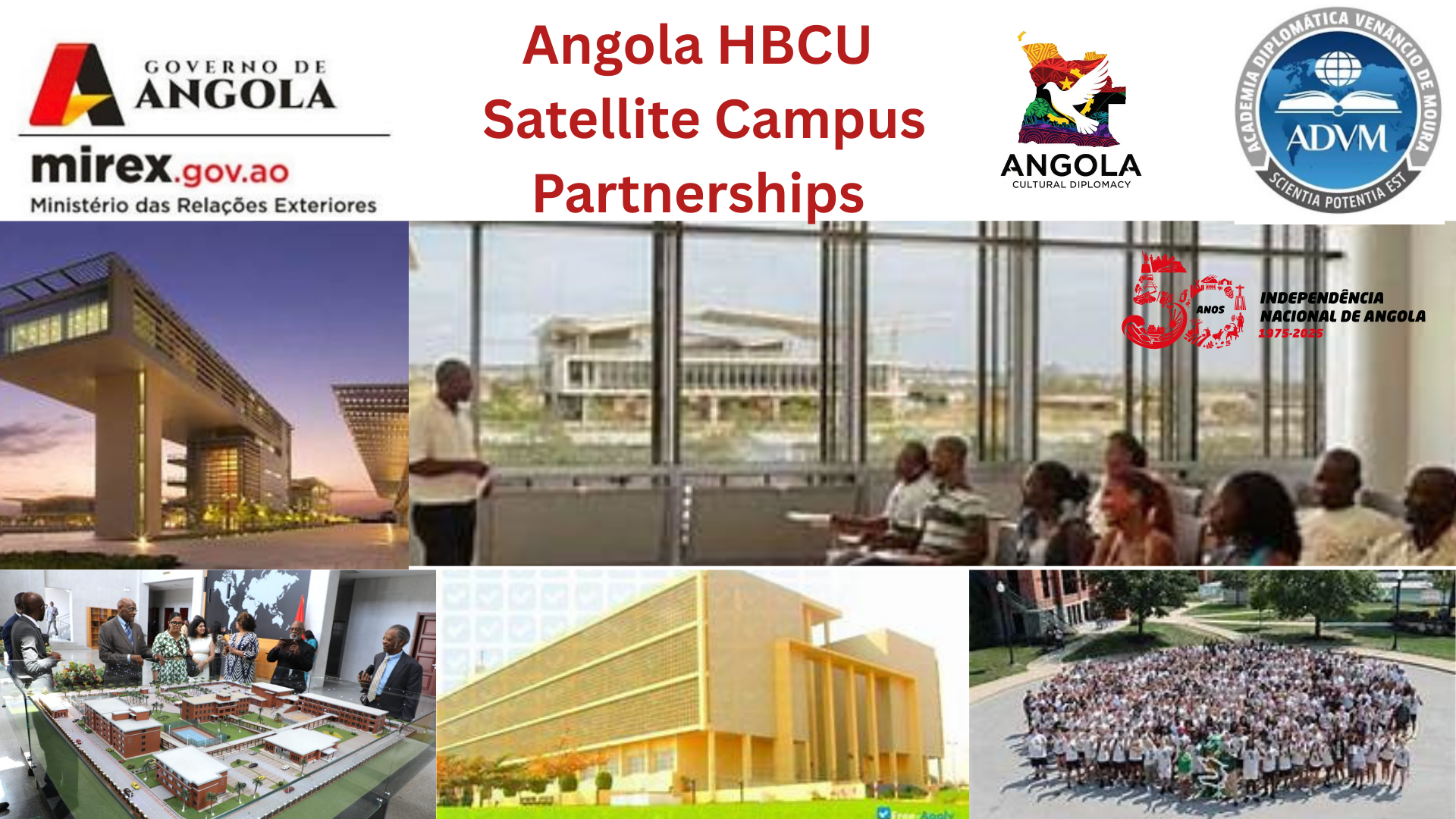
REPARATIONS
ACADEMIC, CULTURAL & ECONOMIC DIPLOMACY
United Nations: HBCU Presidential Council
African Union: HBCU Presidential Council
Importance of Protecting HBCU Heritage in Reparations and Justice Efforts
Protecting the founding history and cultural heritage of Historically Black Colleges and Universities (HBCUs) is crucial within the broader framework of reparations and justice for people of African descent, particularly in the context of the Transatlantic Slave History and the African Union's Sixth Region initiatives.
Addressing Historical Injustices and Promoting Healing
Acknowledging Past Wrongs: Reparations efforts, as discussed at the Accra Reparations Conference, aim to address the historical injustices of the transatlantic slave trade and colonialism, which include slavery, colonization, and racial discrimination. HBCUs, founded in the aftermath of slavery, represent a direct response to these injustices, providing educational opportunities denied to Black Americans.
Facilitating Healing and Reconciliation: Reparations are seen as a means to facilitate healing and reconciliation between communities by acknowledging historical injustices and promoting social cohesion. Preserving HBCU heritage contributes to this by recognizing institutions that have historically uplifted and empowered African descendants in the face of systemic oppression.
Empowering Affected Communities and Fostering Identity
Empowerment and Self-Determination: Reparations can empower affected communities and promote cultural preservation and self-determination. HBCUs are central to this, having served as vital centers for Black intellectual thought, leadership development, and cultural identity for generations. Their heritage embodies resilience and the pursuit of excellence against formidable odds.
Cultural Preservation: The history and cultural heritage of HBCUs are integral to the broader cultural heritage of the African Diaspora. Protecting this heritage ensures that the contributions, struggles, and triumphs of African Americans in education and society are recognized and preserved, aligning with the goal of restitution of colonized resources and rectification of oppressive policies.
Promoting Accountability and Justice
Broader Scope of Reparations: The Accra Reparations Conference emphasized that reparations should extend beyond mere financial compensation to include developmental support, restitution of colonized resources, and systematic rectification of oppressive policies and laws. Supporting HBCUs and their heritage fits within this broader scope of developmental support and rectification, as these institutions have been instrumental in the development of African American communities.
Accountability and Global Awareness: Efforts like seeking an advisory opinion from the International Court of Justice and convening international conferences on reparations aim to promote accountability, justice, and healing for African descendants worldwide. Highlighting HBCUs' role in this narrative raises global awareness about historical injustices and promotes education and empathy.
Economic and Developmental Impact
Investment in Development: Reparations funds could be invested in education, healthcare, and infrastructure, promoting economic growth and development in affected regions. HBCUs are key educational institutions that directly contribute to economic development and human capital formation within the African Diaspora. Supporting them is a direct investment in the future of these communities.
New Economic Models: Reparations could inspire new economic models prioritizing equity, justice, and sustainability. HBCUs, with their focus on community development and often underserved populations, embody principles that align with these new economic models.
The Role of the African Union Sixth Region and HBCU Presidential Council
The establishment of an HBCU Presidential Council for Academic, Cultural, and Economic Diplomacy, potentially linked to the African Union's Sixth Region initiative, would formalize and strengthen the connection between the African continent and its diaspora. This council could:
Facilitate Collaboration: Foster academic, cultural, and economic partnerships between HBCUs and institutions in Africa, aligning with the conference's goal of fostering collaboration with the broader diaspora.
Advocate for Reparatory Justice: Serve as a powerful voice in advocating for reparatory justice, leveraging the collective influence and historical significance of HBCUs.
Implement Reparatory Programs: Potentially play a role in the implementation of an African Reparatory Program of Action, which includes initiatives like the Global Reparation Fund and the African Committee of Experts.
In conclusion, protecting the founding history and cultural heritage of HBCUs is not merely an act of historical preservation but a critical component of comprehensive reparatory justice. It acknowledges past wrongs, empowers communities, promotes healing, and contributes to the ongoing development and self-determination of people of African descent globally, aligning with the broader goals of reparations initiatives and fostering stronger ties within the African Diaspora.

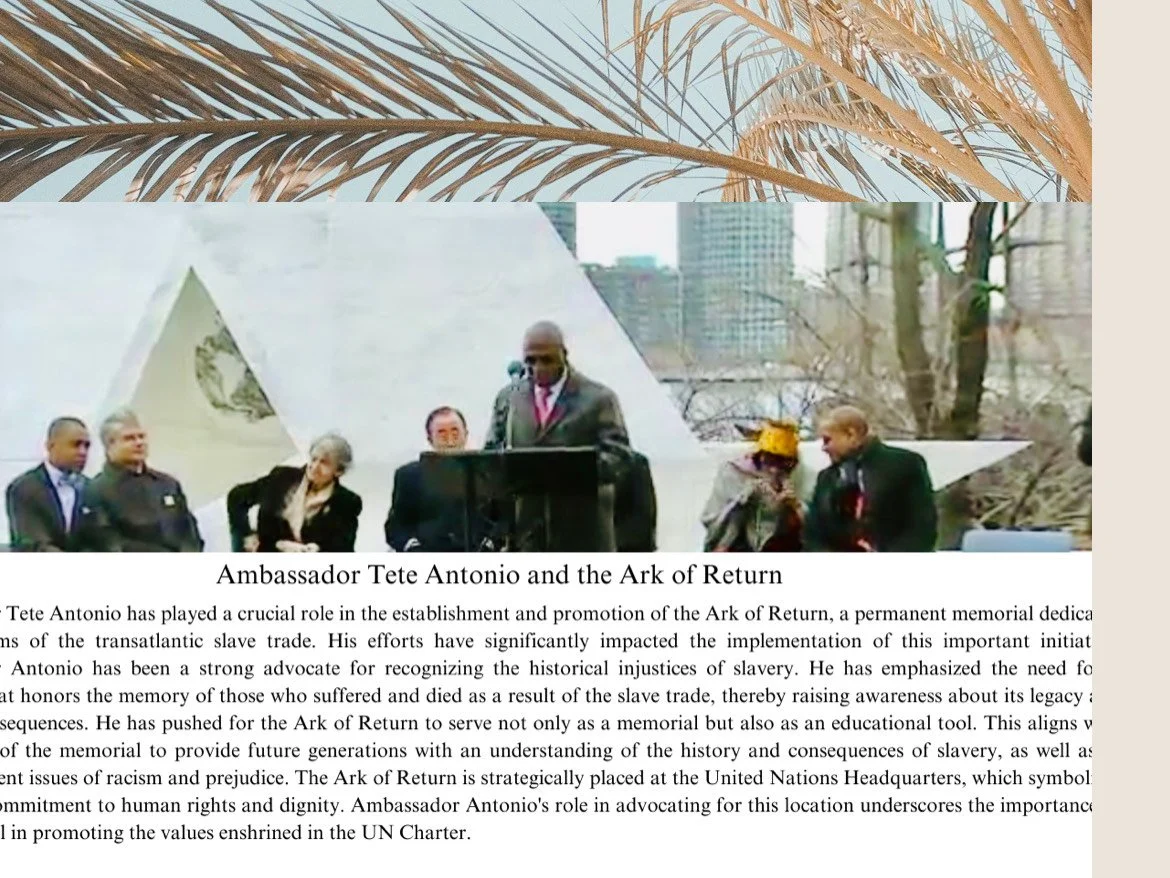
H.E. Honorable Minister Tete Antonio
Inauguration of the Arch of Return - 2017, United Nations , NY
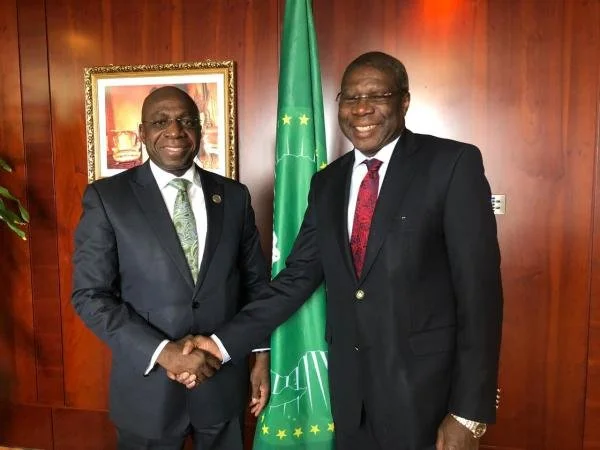
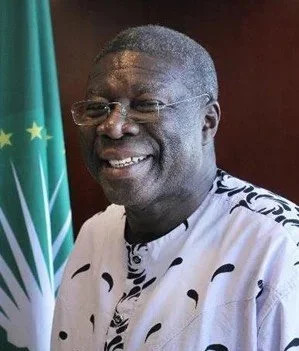
H.E. Ambassador Kwesi Quartey
The Accra Reparations Conference in November 2023 addressed historical injustices of the transatlantic slave trade and colonialism, aiming to craft an African-led action plan for reparatory justice. Key outcomes included establishing a Global Reparation Fund, an African Committee of Experts, and the Accra Proclamation. The conference emphasized reparations beyond financial compensation, including developmental support and restitution, with significant economic and social impacts anticipated, alongside challenges like complexity and potential resistance. Ambassador Quartey's work, therefore, is characterized by a strong commitment to rectifying historical injustices against Africa and its diaspora through economic development, international cooperation, and a comprehensive approach to reparations
Ambassador Thomas Kwesi Quartey, a Ghanaian diplomat with over 35 years of experience, has dedicated his work to several key areas, particularly focusing on Africa's development, citizen inclusion, and reparatory justice for historical injustices. Ambassador Thomas Kwesi Quartey is a Ghanaian diplomat born on December 17, 1950. He is trained as a lawyer and possesses over 35 years of experience in the diplomatic field. Throughout his extensive career, Ambassador Quartey has served in various capacities within Ghana's Embassies and High Commissions in several international cities, including Cotonou, Cairo, Brussels, Havana, and London. He also held the position of Permanent Representative to the Ghana Mission to the United Nations in New York and served as the Deputy Chairperson of the African Union Commission from 2016 to 2020.
Professional Focus and Expertise
His work primarily centers on promoting Africa's growth and economic development, advocating for citizen inclusion, and fostering increased cooperation and integration among African states. Ambassador Quartey's expertise encompasses financial and economic negotiations, particularly with the European Commission, and he has provided valuable insights on investments, as well as administrative and international law matters.
Advocacy for Reparatory Justice
Ambassador Quartey is a strong advocate for reparations and restitution concerning the Transatlantic slave trade. He emphasizes the need to address historical injustices endured by Africa, such as slavery, colonization, and racial discrimination. He champions collective efforts between Africa and the Diaspora to rectify these historical wrongs, aiming for sustainable growth and development. Ambassador Thomas Kwesi Quartey is a distinguished Ghanaian diplomat with a long-standing career focused on African development, international law, and advocating for reparatory justice for the historical injustices of the transatlantic slave trade and colonialism. Ambassador Kwesi Quartey has dedicated his life to the study of the Transatlantic Slave trade and he supports the efforts to establish the United Nations HBCU Presidential Council for Academic, Cultural and Economic Diplomacy in partnership with Honorable Minister Tete Antonio. This Team of Eminent Leaders of Africa will support the development and implementation of the resolution of the HBCU Presidential Council at the United Nations and African Union.