
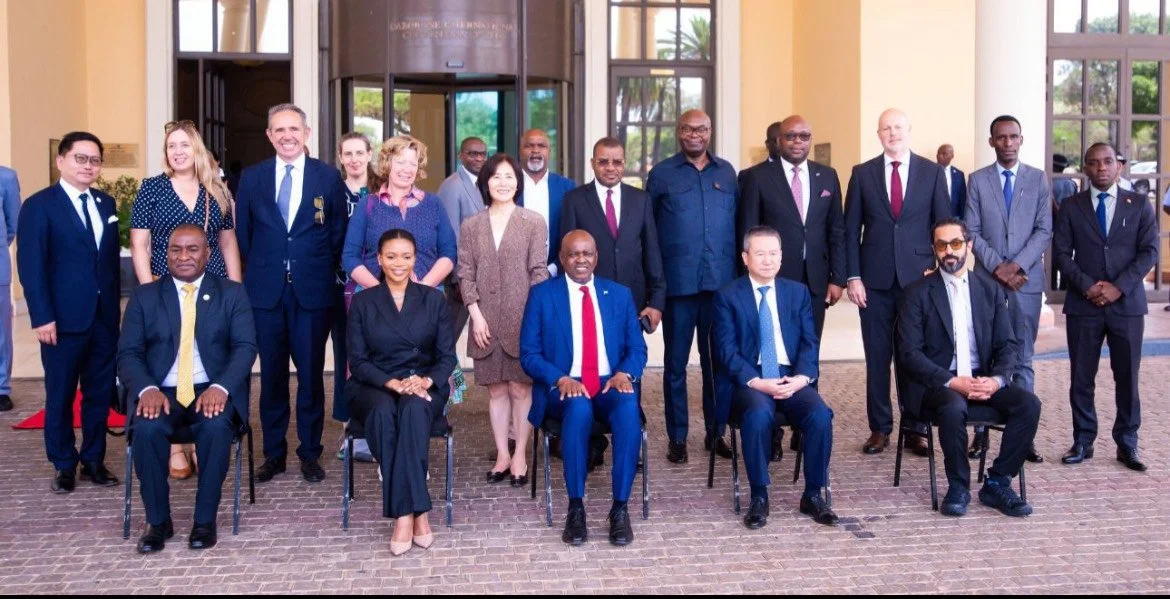
Meet the Movers and Shakers Working in the frontlines for Higher Education for Reconciliation, Peace and Human Development in Africa
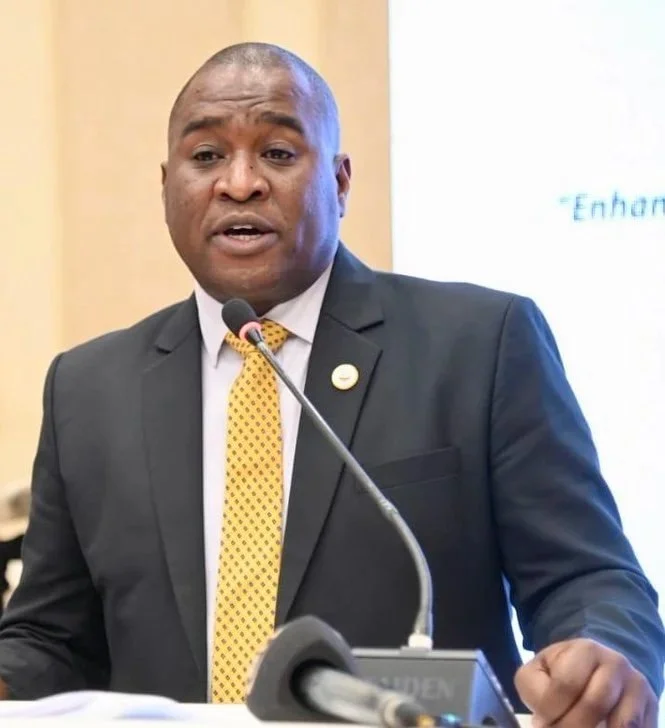

Emmanuel Makumba Mali, PhD
Director-Democracy and Good Governance, International Conference on the Great Lakes Region , (ICGLR) (CIRGL ) For Peace, Security, Stability and Development, Bujumbura, Bujumbura Mairie, Burundi
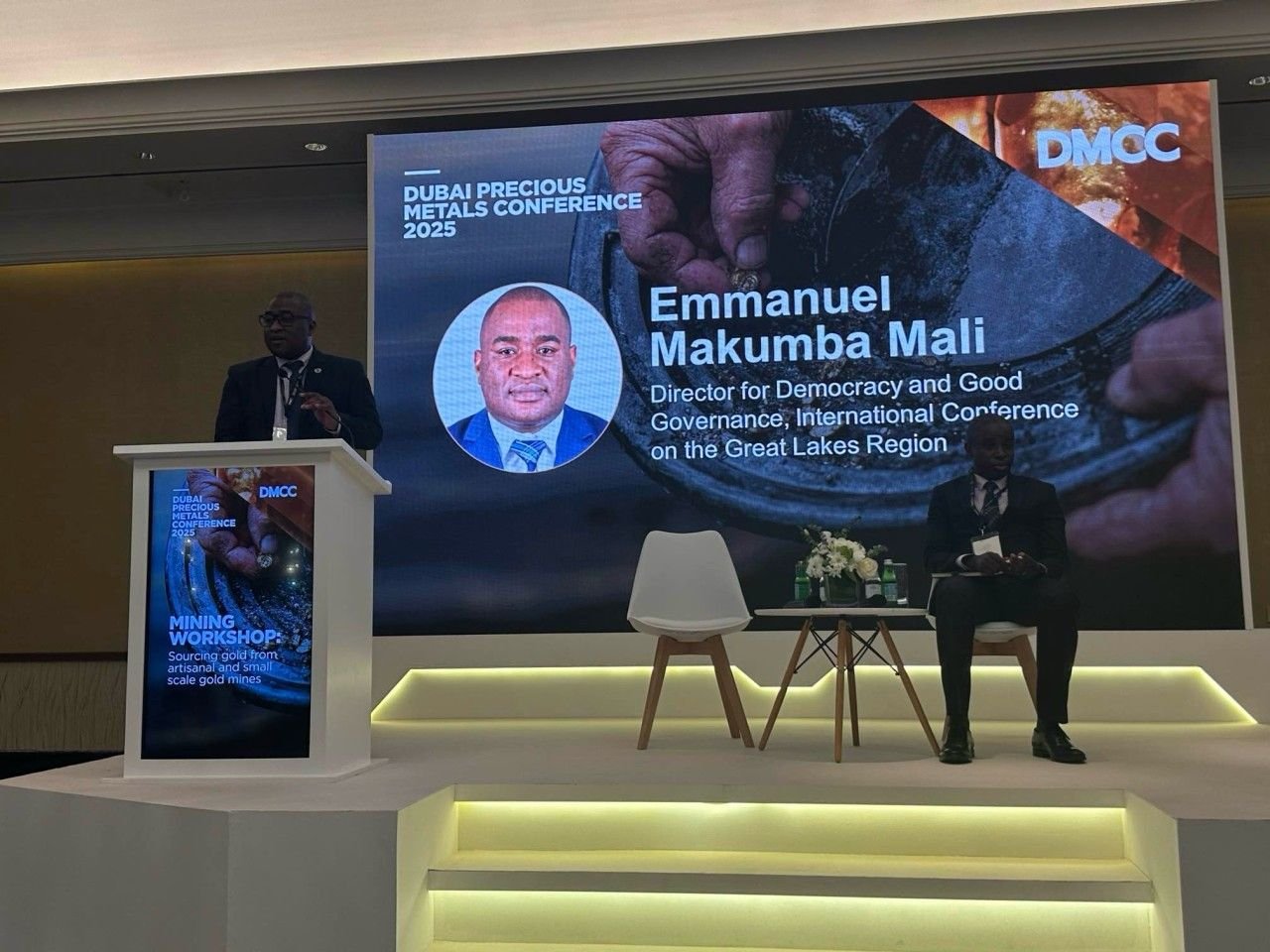
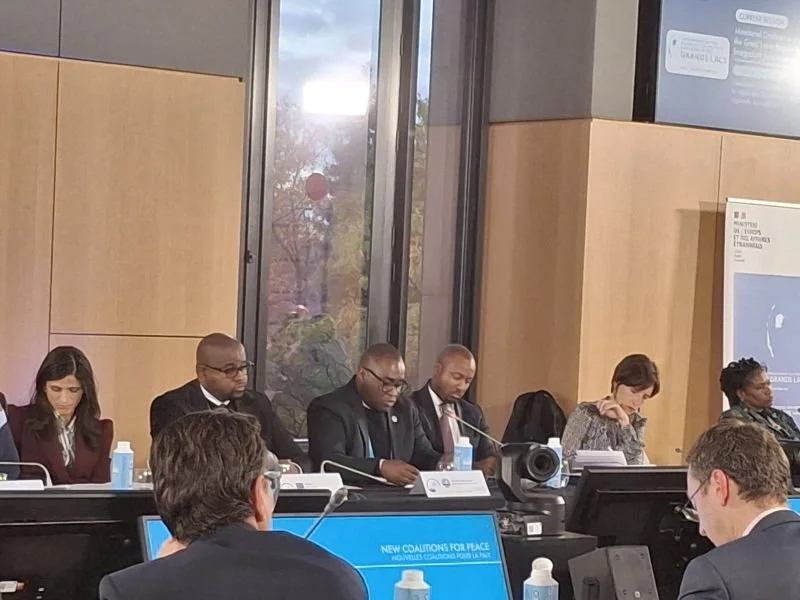
Dr. Emmanuel Makumba Mali is the Director for Democracy and Good Governance at the International Conference on the Great Lakes Region (ICGLR) since June 2021. His professional experience spans governance, democracy, and public policy, notably as Head of the National Office of Dialogue and Sustainability of the Presidency of the Council of Ministers. Dr. Mali's work at the ICGLR is centered on fostering democracy, good governance, and human rights within the Great Lakes Region. His key projects and initiatives include:Regional Initiative on the Fight against the Illegal Exploitation of Natural Resources: This initiative aims to promote responsible mineral governance, transparency, and accountability in the mining sector. This includes strategies such as the Regional Certification Mechanism (RCM), which is a compulsory regional standard for certifying tin, tantalum, tungsten, and gold from or transiting through ICGLR Member States. Other tools involve harmonizing national legislations and implementing the Extractive Initiative Transparency Initiative.Promoting Women's and Youth Participation in the Mining Sector: He has actively supported efforts to increase the involvement of women and youth in the mining sector, recognizing its importance for inclusive economic development. This also includes formalizing artisanal mining, which involves approximately 5 million people in the 12 ICGLR member states, and capacity-building workshops for women and youth in the mineral supply chain.Regional Youth Forum: Dr. Mali has supported the establishment of this forum to engage young people in peacebuilding, conflict prevention, and decision-making processes. Impact on Higher Education, Reconciliation, Peace, and Human Security
Dr. Mali places significant emphasis on the role of education in promoting stability and development in the Great Lakes Region. He believes that higher education is critical for several reasons:Cultivating a Robust Ecosystem for Peace and Reconciliation: Higher education can foster critical thinking, social cohesion, and conflict resolution skills, which are essential for peace and reconciliation.Empowering African Youth and Women: Through education and economic opportunities, higher education empowers youth and women to contribute to sustainable development and peace.
Dr. Emmanuel Makumba Mali is a distinguished expert in governance and public policy, whose work at the ICGLR is dedicated to promoting democracy, human rights, and good governance. His initiatives specifically target the responsible management of natural resources, the empowerment of women and youth, and the engagement of young people in peacebuilding. Crucially, he advocates for higher education as a fundamental tool for cultivating peace, reconciliation, and sustainable development by enhancing critical thinking, social cohesion, and economic opportunities across the Great Lakes Region.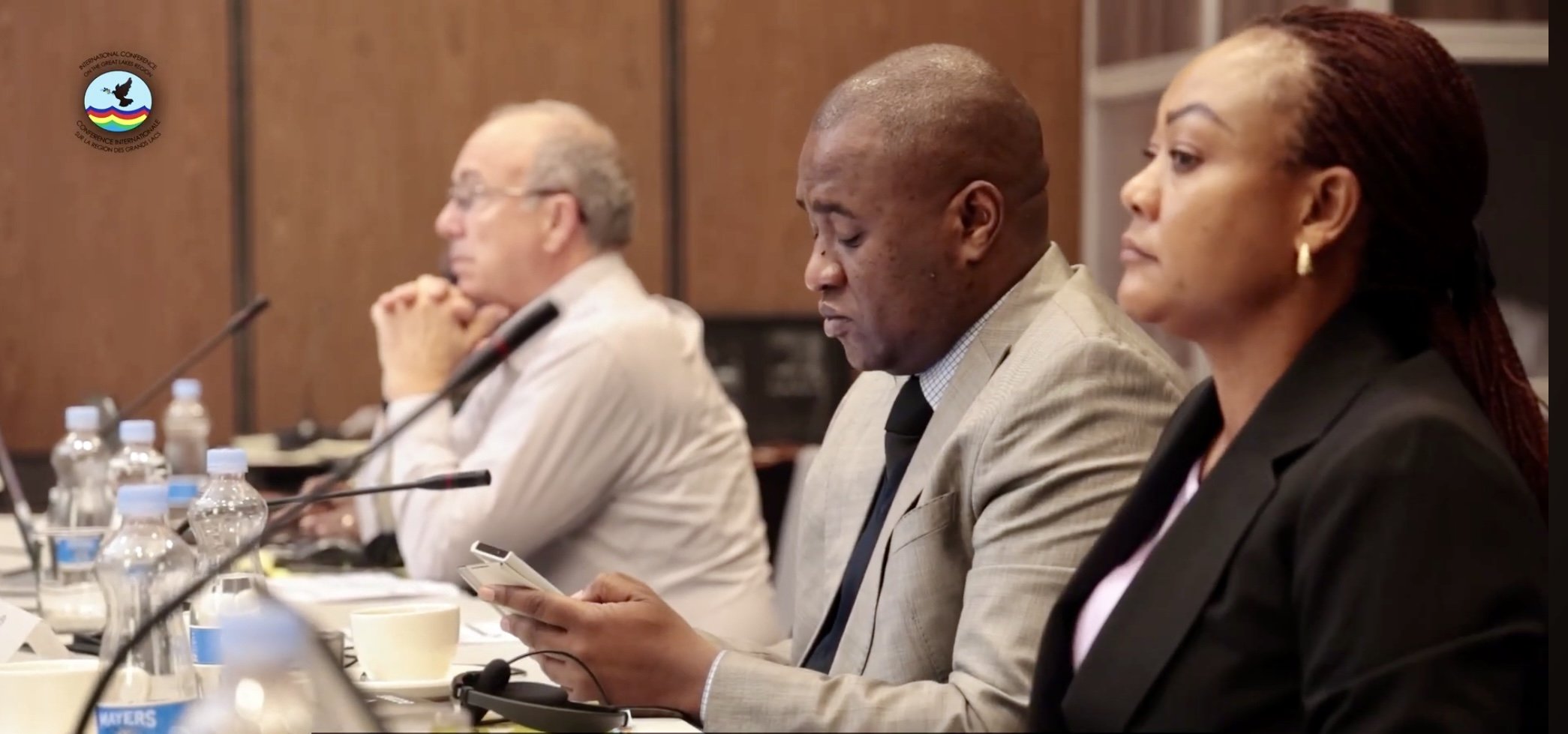

Amine Idriss Adoum, PhD,
Director of Infrastructure and Energy, Industrialisation,Trade and Regional Integration,
AUDA-NEPAD , Johannesburg, South Africa
Education Infrastructure & Satellite Campuses Partnership
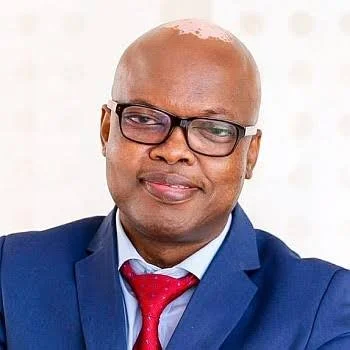
Dr. Amine Idriss Adoum is a prominent Pan-African leader, economist, and development strategist dedicated to the economic transformation of Africa. He serves as the Director of Infrastructure, Industrialization, Trade, and Regional Integration at the African Union Development Agency-NEPAD (AUDA-NEPAD). In this role, he spearheads strategic initiatives that align with Agenda 2063, leveraging over two decades of experience in both the public and private sectors to drive high-impact projects that foster Africa's economic growth and regional integration.
Dr. Adoum's work prioritizes regional integration, cross-border collaboration, and trade facilitation, emphasizing resilient, climate-smart infrastructure and transformative financing models to bridge Africa's infrastructure investment gap. His key initiatives at AUDA-NEPAD include:
Programme for Infrastructure Development in Africa (PIDA): This program aims to strengthen regional connectivity across transport, energy, water, and digital infrastructure.
African Continental Free Trade Area (AfCFTA) Implementation: Focused on enhancing intra-African trade and supply chains.
Special Economic Zones (SEZs) Financing: Involves developing investment-ready industrial parks.
Impact on Education Infrastructure
Dr. Adoum's expertise in infrastructure and economic development and his extensive experience significantly bring a wealth of knowledge to Africa's education infrastructure by fostering an enabling environment for its development. His work at AUDA-NEPAD contributes in several crucial ways:
Digital Infrastructure: PIDA's focus on digital infrastructure can improve internet connectivity, thereby enhancing access to digital resources, education delivery, and learning outcomes across the continent.
Transport Infrastructure: Improved transport networks, also a focus of PIDA, can increase access to educational facilities, facilitate student mobility, and enhance regional collaboration among academic institutions.
Economic Growth: The implementation of AfCFTA and the financing of SEZs can stimulate economic growth, leading to increased investments in education infrastructure.
Infrastructure-as-a-Service (IaaS) Models: Dr. Adoum's expertise can pave the way for leveraging public-private partnerships to develop education-specific infrastructure, such as smart classrooms and digital libraries.
Regional Education Hubs: His efforts support the creation of regional centers of excellence, which foster collaboration and resource sharing in education.
Skills Development: Aligning education infrastructure with Africa's industrialization and economic growth needs is another critical aspect, ensuring that educational systems produce skills relevant to the continent's development trajectory.
Dr. Amine Idriss Adoum, through his leadership at AUDA-NEPAD, plays a pivotal role in Africa's economic transformation. His strategic initiatives in infrastructure, trade, and regional integration, particularly through programs like PIDA and AfCFTA, indirectly but significantly contribute to creating a robust foundation for the development and enhancement of education infrastructure across the African continent.